Entry · Ref R4PZYBKB
What Makes a Plant Suitable for Conservation?
- Posted
- 2026-11-24
- Last amended
- 2026-11-24
- Account
- @stemguide44
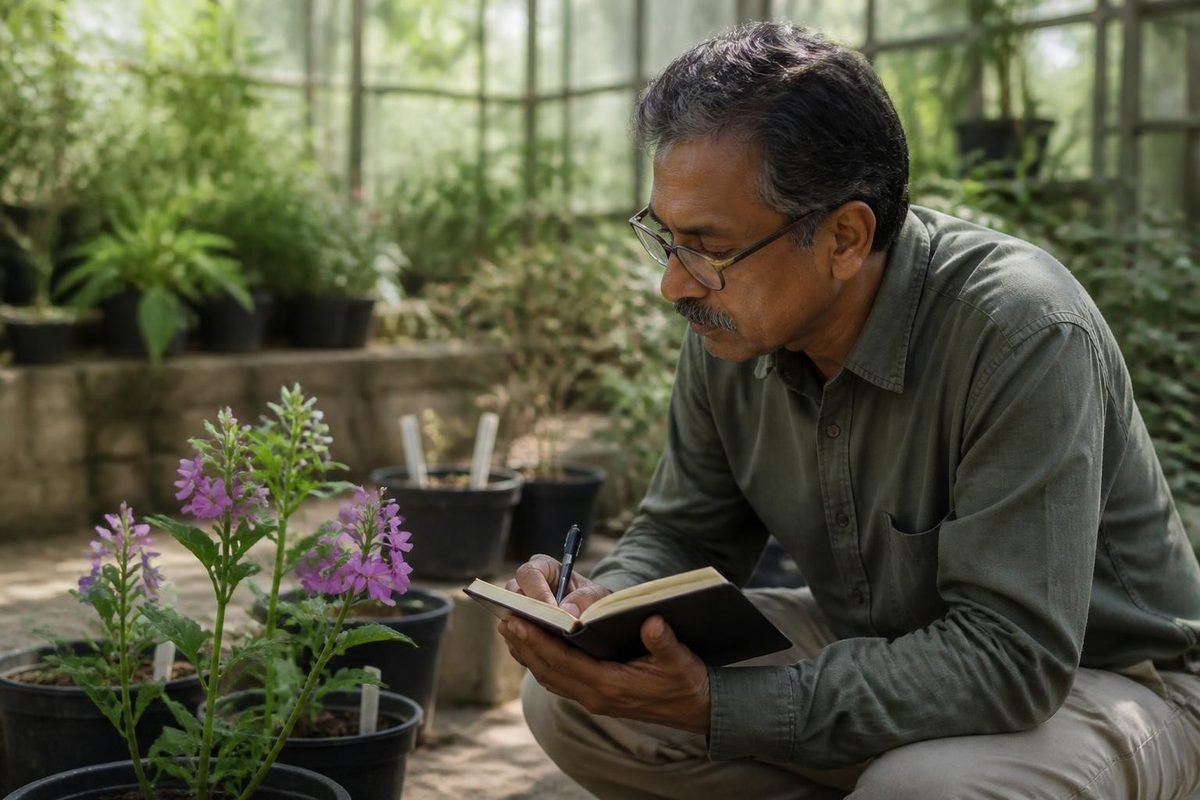
A plant is suitable for a conservation collection when it has clear conservation value and the collection can document, care for, and use it responsibly. Its origin, genetic background, legal status, and long term care needs matter as much as its rarity.
Conservation value comes first
Plants in conservation collections are kept to support the survival and study of species or populations. A threatened species may be a priority, but rarity alone does not make an individual plant a useful addition. A collection needs a reason to keep it and a plan for how it could contribute to conservation.
A plant may help preserve genetic diversity, support research, provide material for propagation, or contribute to a carefully planned recovery project. The right choice depends on the goals of the collection and the needs of the species.
Origin and records matter
A plant with reliable records is generally more useful than one with an unknown history. Records can include where and when it was collected, who collected it, its identity, and any permits or permissions. For a cultivated plant, information about its source and parentage can also be valuable.
These details help staff understand what the plant represents. Without them, it can be difficult to decide how it fits into a collection or whether it is appropriate for a future recovery project.
Genetic diversity needs attention
A conservation collection usually aims to retain diversity within a species, not just keep many plants alive. Several plants grown from cuttings of the same individual may look like a substantial collection, but they represent only one genetic source.
Plants from documented sources can help a collection represent variation across a species. Staff should consider relatedness and avoid unnecessary duplication while following the collection plan and any relevant agreements.
Check the practical and legal fit
Even a valuable plant may not be suitable if the collection cannot meet its needs. Staff need to consider space, climate, soil, water, pests, propagation methods, and the time needed for care. Some plants need specialist facilities or partners to maintain them over the long term.
Collection and movement must also comply with applicable laws and permissions. Taking plants or seeds from the wild can harm a population, so any collecting should be justified, authorized, and planned to limit damage.
- Confirm the plant identity and its conservation value.
- Review its origin, records, and legal permissions.
- Check how it adds to the genetic diversity already held.
- Make sure the collection can provide long term care and keep accurate records.
Common questions
Does a plant have to be threatened?
No. A collection may also keep plants for research, education, or other conservation goals.
Is an unknown origin a problem?
It can be. A plant without reliable origin records may have limited value for some conservation purposes.
Are seeds always better than living plants?
No. Some species cannot be maintained through conventional seed storage, so living plants or other methods may be needed.
Can a garden plant be included?
Sometimes. Its suitability depends on the collection goals, its records, and its genetic and legal background.
You may also like building a florist customer base